The game loop stays hidden
Drag-and-drop makers hide the render loop and timing, so custom scoring, round pacing, and animations mean fighting the tool instead of editing the loop.
Generated files, runtime feedback, previews, and release controls stay in one workspace.
Game Builder for playable browser prototypes
Describe the game, the rounds, and how players compete. E-Code turns that into an editable game loop, lobby interface, scoring rules, and multiplayer state model. Play the local flow in Preview, refine it through the Agent, and connect a real-time service before inviting remote players.
Start from the game you already have in mind. Source files, the running Preview, and publishing controls stay visible as the game evolves.
 Open live preview
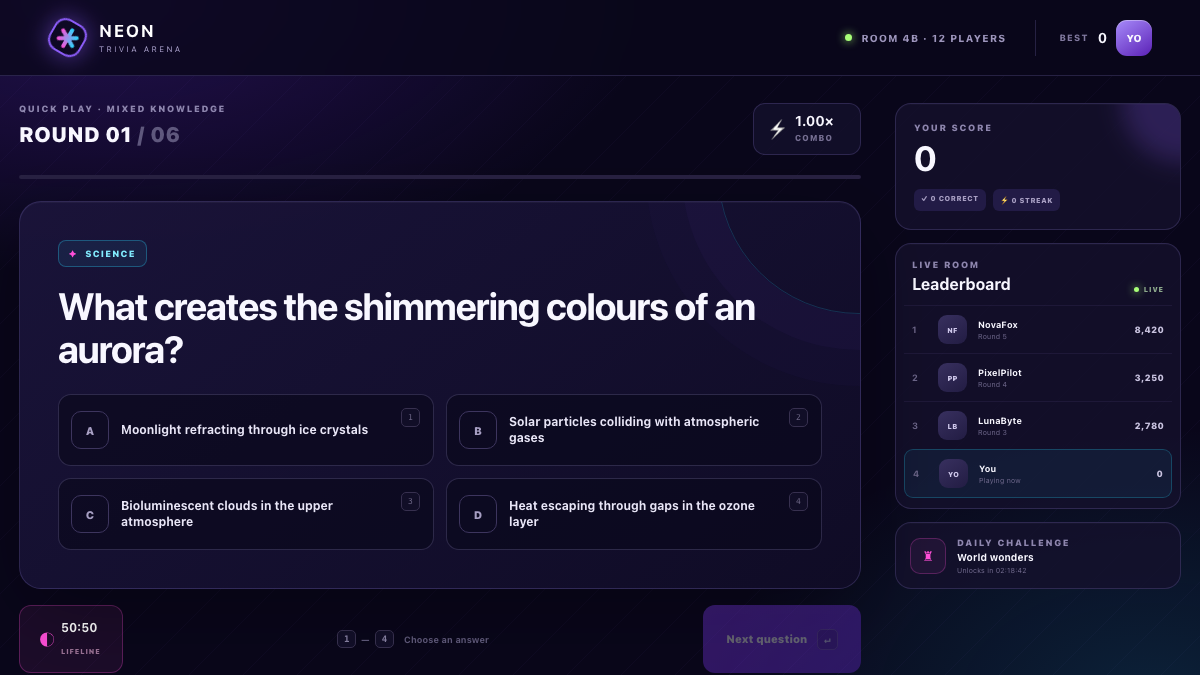
A real six-round quiz with streak bonuses, live scoring, a 50:50 lifeline, and a locally saved high score.
REAL APPS · OPEN THE PREVIEW
Every image below is a capture of an executable E-Code demo application. Open the preview to test the interface yourself.
 Open live preview
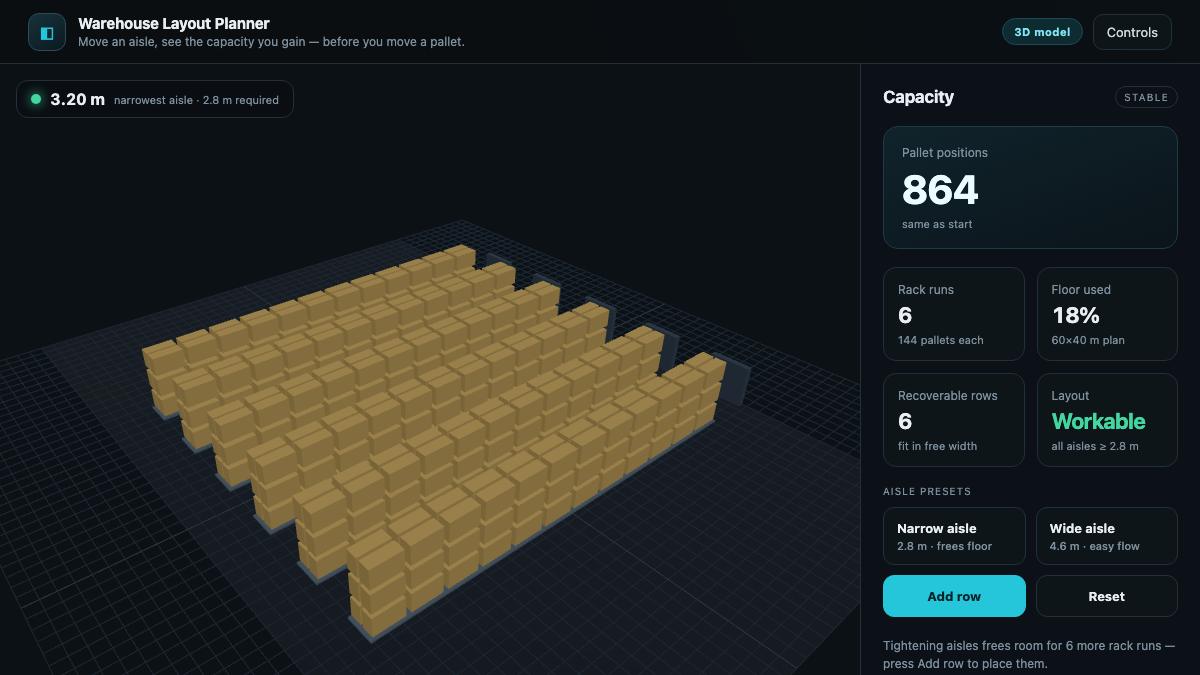
A certified WebGL experience with direct manipulation, live constraints, and a resilient 2D fallback.
 Open live preview
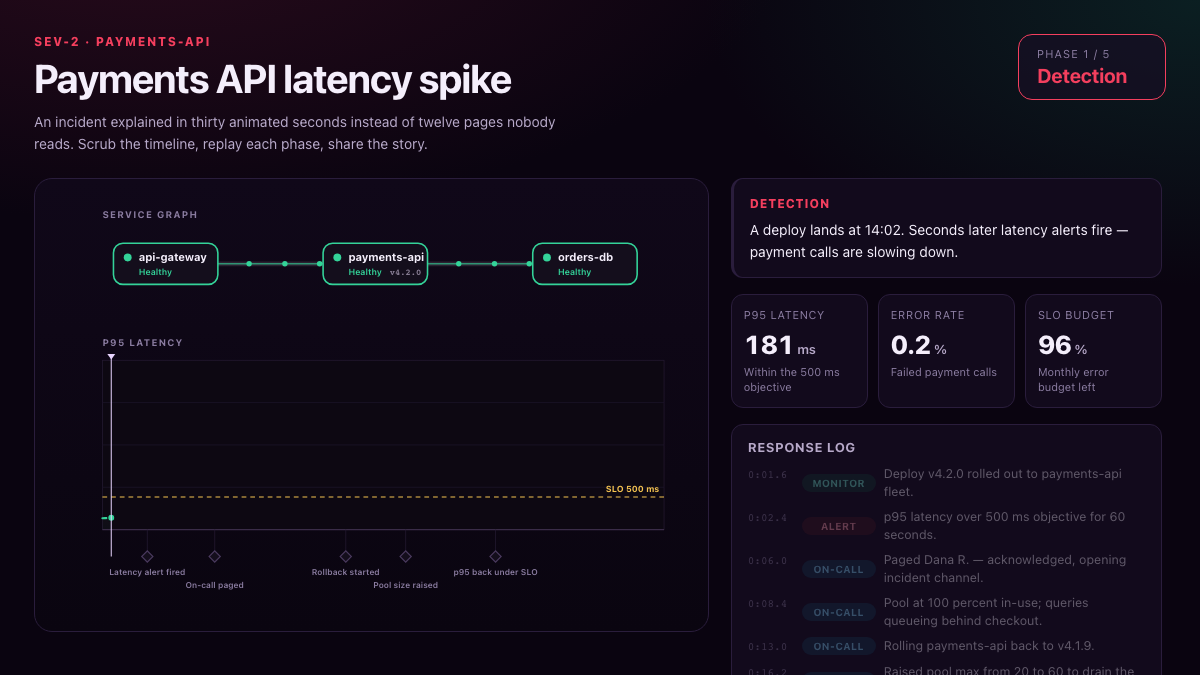
A certified internal knowledge app that turns operational evidence into an interactive incident narrative.
From engine lock-in to an inspectable game loop
A live quiz game needs a tight loop: a lobby that fills, questions that fire in sync, and a scoreboard that updates for everyone at once. No-code game tools start fast, then hide the game loop and the networking, and the exported result rarely maps to code the team can keep evolving.
Drag-and-drop makers hide the render loop and timing, so custom scoring, round pacing, and animations mean fighting the tool instead of editing the loop.
When each client tracks its own score and timer, players see different boards, and there is no single source the team can inspect, version, and reason about.
Previewing one screen is not playing a match. Without a running game and real rounds, timing bugs and edge cases only show up once players are live.
E-Code starts from the game you describe and produces an editable browser loop, rules, and multiplayer state model in source files. You test the local flow in Preview, connect networking where the code exposes it, and request the next change without leaving the project.
One prompt starts the game
The request below reads like a note from a game designer. The four items map its implementation scope in real source files, not a locked engine.
Build a multiplayer quiz game with real-time scoring and a leaderboard.
A real render-and-update loop drives rounds, timers, and animations across desktop, tablet, and mobile from editable components.
Lobby, question, timer, and scoreboard states are modeled in editable code with explicit integration points for a real-time backend. Remote synchronization is not active until that service is connected.
Answer handling, per-round scoring, and win conditions are modeled as working game rules rather than a static screen.
E-Code runs the local game flow in Preview across screen sizes. Supported static frontends can follow guided publishing; remote matches still require the real-time service you connect.
What you receive
The project stays inspectable from the first generated file through Preview and export. Supported static builds add a live release through guided publishing without hiding the code.
The render loop, round rules, interface components, state, and styles stay readable, versionable, and portable outside E-Code.
Lobby, question, timer, and leaderboard state is explicit in the source. Connect that model to a real-time backend before expecting synchronized remote players.
Run the local round flow in the active Preview and test its controls and scoreboard layouts on desktop, tablet, and mobile.
Supported static game builds move through E-Code’s guided release path once the play-test is ready to share.
A supported static frontend publishes to an E-Code live URL. Games that depend on a server remain exportable so you can deploy the frontend and connected runtime together.
Ask for a new scoring rule, shorter timer, or another question type, then play the updated local flow without restarting the project.
Built for real browser games
The Game Builder path keeps game logic, connection-ready state, and frontend publishing in one inspectable workflow.
A real render-and-update loop for rounds, timers, and animations you can tune.
Lobby and match state with integration points for the service that synchronizes remote players.
Answer handling, per-round scoring, and win conditions modeled as game rules.
Run the local round flow in Preview across screen sizes before you publish.
Game screens adapt from wide desktop to phone without a separate mobile build.
Export the project or publish supported static frontends while retaining editable source files.
Who builds with it
From a live quiz night to a classroom challenge, the same loop produces a real, playable game.
Lobby, timed-question, and shared-score flows ready to connect to a real-time match service.
Interactive challenge interfaces with scoring rules and a scoreboard ready for synchronized data.
Branded browser-game frontends with lobbies and leaderboards you can wire to event infrastructure.
Canvas-based games with a game loop, input handling, and score tracking.
Common questions
What the Game Builder path produces, and where its boundaries are.
You get editable source files — components, the game loop, state, and styles — that you can read, version, and export. There is no proprietary engine lock-in.
Not in the inline demonstration: it uses fictional match data and no connected backend. The generated source can model the lobby and match state, but remote players need a real-time service that you connect, secure, and test.
Yes. E-Code runs the local round flow in Preview across desktop, tablet, and mobile. Testing a remote match starts after you connect its networking service.
The generated state model is code you can extend and wire to external services. The inline demonstration on this page uses fictional data and no connected backend.
Edit the files directly or ask the Agent for the next change and review the diff against the running Preview.
Game Builder for playable browser prototypes
Turn the game you have in mind into an editable browser loop, lobby, and scoring system, play-test the local flow in Preview, then connect the service that powers remote matches.